
Triplex Plunger Pump Configuration and Performance Guide | Qatar | Identify required standards. Technical specification: Identify required standards. Engineering, procurement, and export planning - Triplex Plunger Pump, Qatar.
Project market: Qatar
Qatar. Remote fields require storage capacity, robust diagnostics, accessible service points, and recovery plans for disabled equipment. Clarify Incoterms, named place, insurance responsibility, export clearance, destination handling, and responsibility for abnormal port costs.
Define the operating objective
Start the Triplex Plunger Pump selection process by defining the field operation rather than choosing components from a generic brochure. A clear scope reduces oversizing, missing auxiliaries, and late changes that affect chassis layout, utilities, documentation, or delivery. Describe what enters the equipment, what must leave it, and which measurements the operator needs during each operating stage. State whether the package will support drilling, completion, workover, production maintenance, testing, stimulation, or environmental treatment.
Product-specific engineering questions
For a triplex plunger pump, define fluid properties, suction conditions, discharge range, pulsation control, packing selection, power input, and maintenance access.
The specification should state measurable requirements and acceptance evidence while allowing the supplier to propose a technically justified configuration.
Set a verifiable performance envelope
Performance acceptance should identify instruments, test medium, stabilization time, tolerances, and records supplied with the equipment. Do not convert a marketing maximum directly into an operating set point; design margin and component limits require a documented review. Review suction conditions, discharge restrictions, line losses, ambient effects, and fluid viscosity before accepting a pump or heating selection. Confirm whether quoted capacity is measured at the equipment outlet, at the well connection, or under another defined test condition.
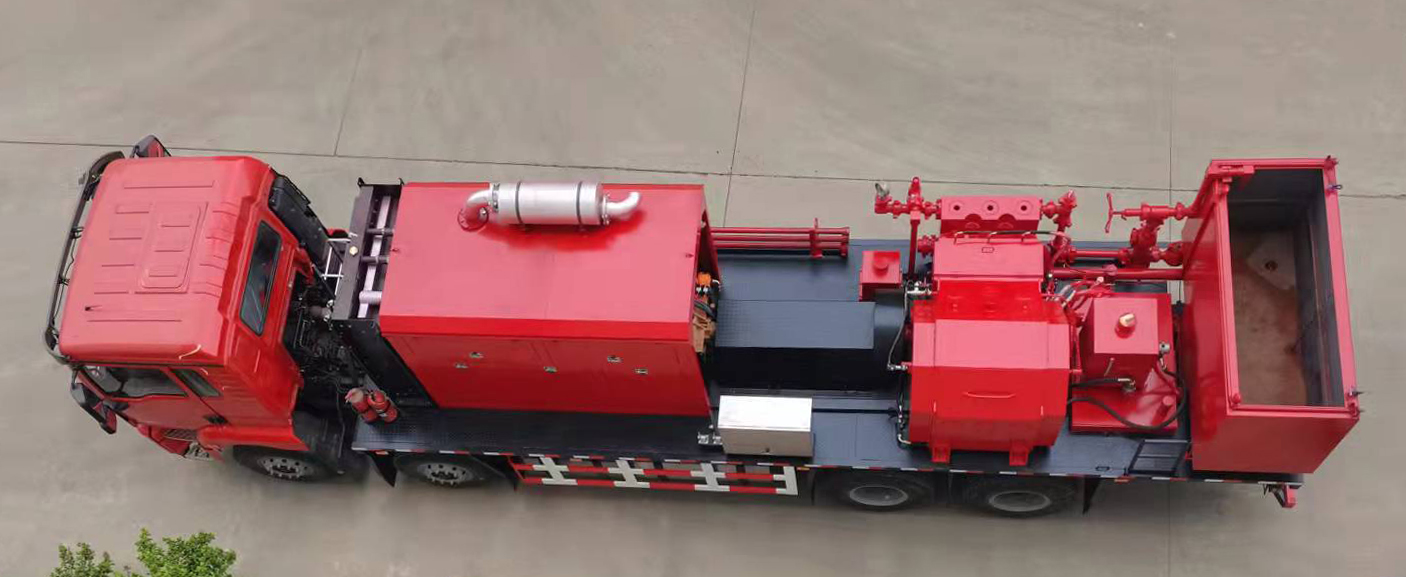
Control interfaces and package layout
For skid-mounted equipment, define lifting, tie-down, base-frame, drainage, weather protection, and connection responsibilities. For truck-mounted equipment, review axle loading, weight distribution, turning requirements, approach angles, and safe deployment of stabilizers. The package should fit the destination's road envelope, transport method, workshop capability, and available field utilities. Confirm hose and piping connections, valve orientation, access clearances, lifting points, grounding, emergency stops, and communication signals.
Review safety and compliance
Confirm which codes and purchaser specifications govern pressure-containing parts, welding, electrical systems, lifting, and functional testing. Hazardous-area classification and electrical protection cannot be assumed from a photograph or a general product name. Request a clear description of shutdown logic, alarms, relief paths, guarding, ventilation, fire protection, and safe isolation points. Build the hazard review around pressure, temperature, rotating machinery, fuel, ignition sources, chemicals, stored energy, and vehicle movement.
Plan inspection and quality records
Photographs are useful for progress tracking but do not replace traceable test records and signed inspection documents. Ask which checkpoints are hold points, witness points, document reviews, or supplier internal inspections. The inspection plan should connect material records, welding records, calibration certificates, assembly checks, and test results to the delivered unit. Nonconformities should record the requirement, observed condition, disposition, approval, and evidence of completed corrective action.
Prepare maintenance and lifecycle support
Request preventive-maintenance intervals, lubrication points, consumables, recommended spares, special tools, and diagnostic procedures. Maintenance planning should begin during configuration because service access and component standardization affect lifecycle cost. Remote projects need a practical plan for technical support, software access, documentation updates, and replacement-part identification. Training should cover normal operation, start-up, shutdown, troubleshooting, emergency actions, inspection, and maintenance recordkeeping.
Coordinate export documents and logistics
Export planning must align equipment dimensions, weight, lifting method, preservation, packing, and transport route. Treat the delivery schedule as a controlled sequence of engineering approval, procurement, manufacturing, testing, documentation, and transport. Packing should protect exposed connections, instruments, painted surfaces, electrical enclosures, loose accessories, and long-term storage items. Clarify Incoterms, named place, insurance responsibility, export clearance, destination handling, and responsibility for abnormal port costs.
Compare quotations on the same basis
Commercial review should remain linked to the approved technical specification so cost reductions do not silently remove required functions. Payment milestones should follow verifiable progress and clearly defined documents rather than vague statements of completion. Evaluate lifecycle cost through energy use, consumables, maintenance labor, spare parts, downtime exposure, and local service capability. Ask suppliers to identify optional items separately and explain which assumptions could change price or delivery after technical clarification.
Account for field and climate conditions
Road quality and site access influence chassis choice, suspension, ground clearance, weight distribution, and transport planning. Remote fields require storage capacity, robust diagnostics, accessible service points, and recovery plans for disabled equipment. Hot or dusty sites may need ventilation review, filtration, cooling margin, derating, and more frequent inspection. Cold climates may require heat tracing, insulation, low-temperature materials, winter fuel arrangements, and protected draining.
Close technical clarification before ordering
Keep unresolved assumptions visible and assign an owner and due date before they become manufacturing changes. Do not approve production solely from a rendered image; confirm interfaces, maintenance access, safety functions, and test acceptance. Review the general arrangement, process description, principal components, control philosophy, data sheets, and document schedule together. Close technical clarification with a requirement matrix showing compliance, deviation, clarification, and the evidence supporting each response.
Buyer information checklist
- Share the duty profile
- Confirm the operating range
- List site constraints
- Identify required standards
- Define inspection evidence
- Plan spares and training
Frequently asked questions
What information is needed for a useful quotation?
Provide the service objective, working medium, operating ranges, site conditions, required standards, interfaces, destination, and delivery scope.
Does this page confirm a standard specification or available stock?
No. The image and discussion are representative. Configuration, certification, price, delivery, and availability require a project-specific review.
Should buyers select equipment from maximum ratings alone?
No. Selection should use the full operating envelope, duty cycle, fluid properties, ambient conditions, interfaces, safety basis, and acceptance tests.
What should be checked before shipment?
Check the approved configuration, inspection records, test reports, nameplates, manuals, spare parts, preservation, packing, and final document register.
This page supports preliminary equipment selection. Final pressure, temperature, flow, materials, safety systems, certification, and operating procedures must be reviewed by qualified engineers against the purchaser's standards and local regulations.
Request an equipment quotation
Describe the intended service, operating conditions, destination, and known technical requirements. Email or WhatsApp is enough for contact.